Chrome
 Safari
 Firefox
Carson L .

Our All Star Patient
Caring, Determined & FunnyAge 10
Triumphing Over Leukemia: Carson’s Story
When 9-year-old Carson came home from a summer vacation with strep, his parents, Brennda and Mike, didn’t think much of it. Carson was prone to strep. Other kids on the trip had it, too. Brennda took him to the doctor, he was prescribed antibiotics, and life went on.
But ten days later, Carson still wasn’t better. He had intense headaches and fevers. One afternoon, his summer camp mentioned that he had turned pale on the bus.
More symptoms, more bloodwork
Then a fun day at the river ended with painful blisters on every one of Carson’s fingertips. Brennda brought him to the emergency department, where tests came back mostly normal. His platelet count was low, but still within the range of normal.
By the time school began in August, his health was still in decline. An odd rash crept up his legs, and his hips ached constantly. Brennda took him back to the pediatrician and asked that his bloodwork be repeated.
An unexpected diagnosis
His platelet count was now dangerously low, and she was told to take him to Connecticut Children’s immediately. Hours later, just before dawn, a doctor pulled Brennda aside. Carson had been diagnosed with acute lymphoblastic leukemia (ALL).
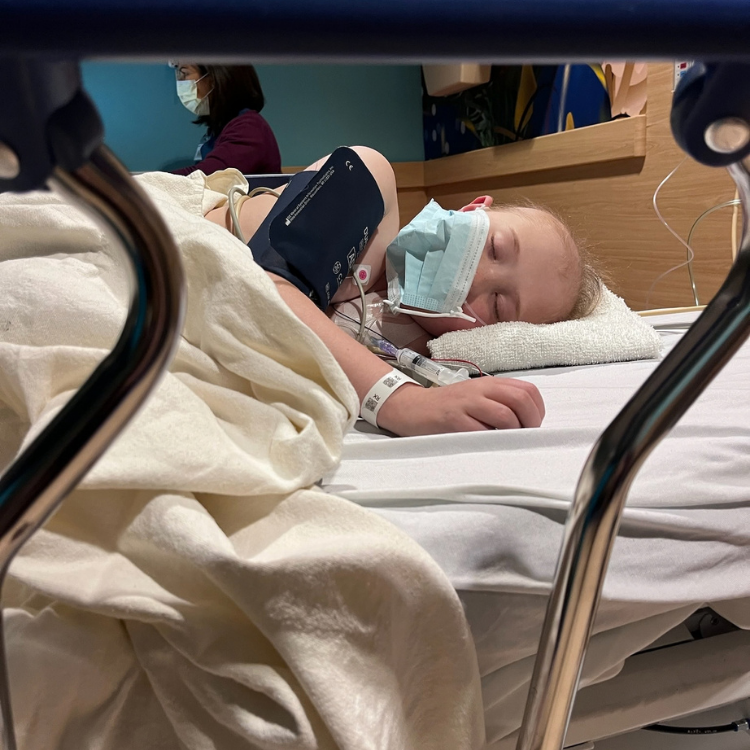
Carson was admitted right away and spent a month receiving chemotherapy, which left him unable to walk unassisted. When he was finally discharged in mid-October, he left the hospital using a walker.
Even though he was no longer inpatient, he was still spending a lot of time at Connecticut Children’s. Every other day, he returned to the Center for Cancer & Blood Disorders for chemotherapy infusions, and twice a week he had physical therapy sessions.
Months of devastating setbacks
In November, everything changed again. Carson had an allergic reaction to one of the chemotherapy drugs and went into anaphylactic shock. He was admitted to Connecticut Children’s for observation for 24 hours. A week later, he was diagnosed with necrotizing pancreatitis, a life-threatening complication that is rare in children.
Brennda had to hear the concerns of the medical team—that Carson may never have a functioning pancreas, leaving him with lifelong diabetes. Or worse—that he might not survive this complication.
It would be the first of several serious complications to come—including a blood clot in his chest. After a CT scan revealed internal bleeding, he was rushed into surgery. His body struggled to reabsorb the blood, causing his lungs to collapse.
Over the next several weeks, he underwent multiple surgeries to drain fluid and spent much of the time intubated, relying on machines to breathe for him. Thanksgiving came and went in the hospital.

Good news: remission
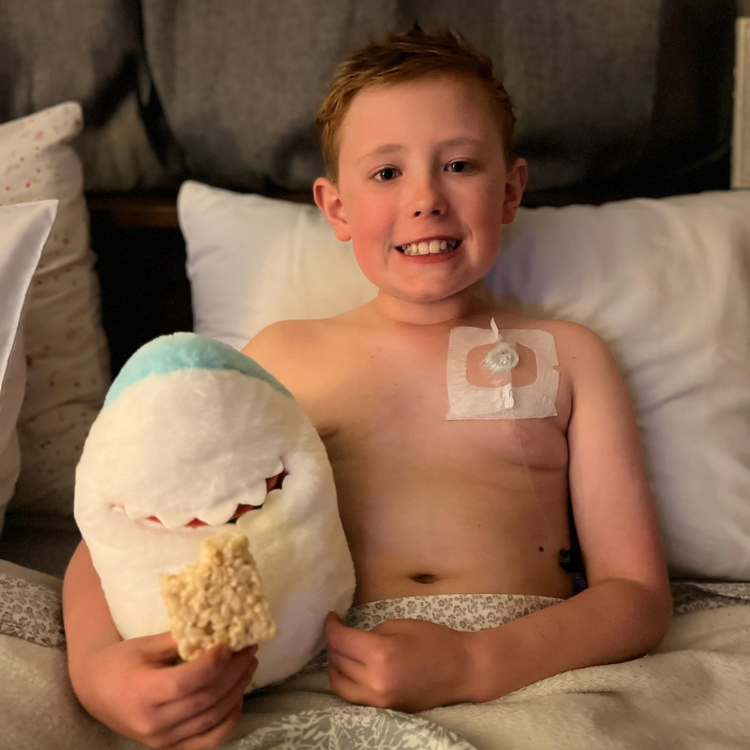
In mid-December, there was finally good news: Carson’s leukemia was in remission. Two days before Christmas, he left the PICU and returned to the medical-surgical floor. Slowly, his condition improved, and in February, he was discharged at last. “For forever, we thought,” said Brennda.
He was home for fewer than 10 days when he was readmitted to Connecticut Children’s with COVID—followed by colitis. It would be March before he returned home again.
Getting back to normal amid ongoing treatment
Although he is in remission, treatment for ALL typically lasts two to three years to eliminate hidden cancer cells and prevent relapse. He continues to receive care from Connecticut Children’s hematologist-oncologist Kerry Moss, MD, and comes to clinic once a week for chemotherapy infusions.
Weekly physical therapy helps him rebuild muscle, improve his balance, and strengthen his core. His strength and smile are finally coming back—and this time, to stay.
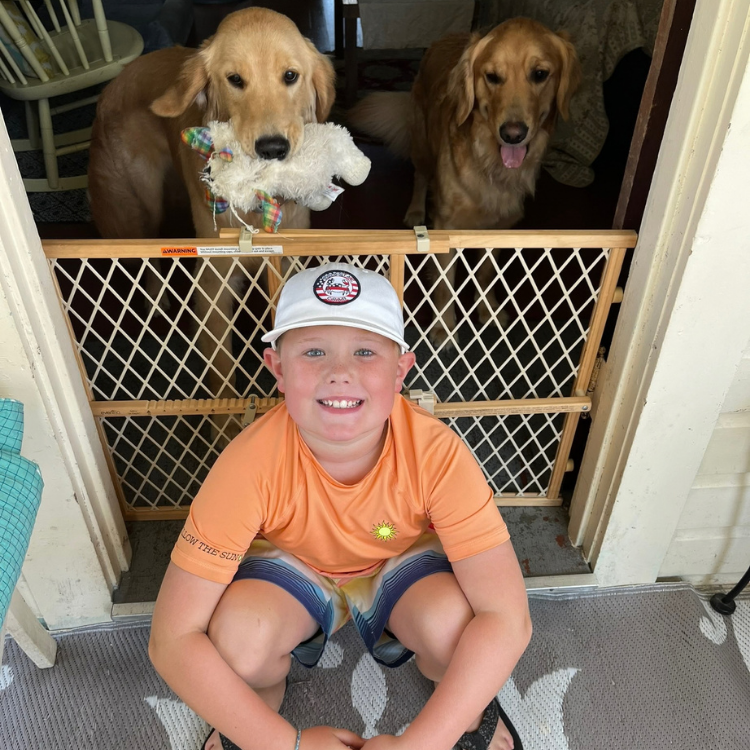
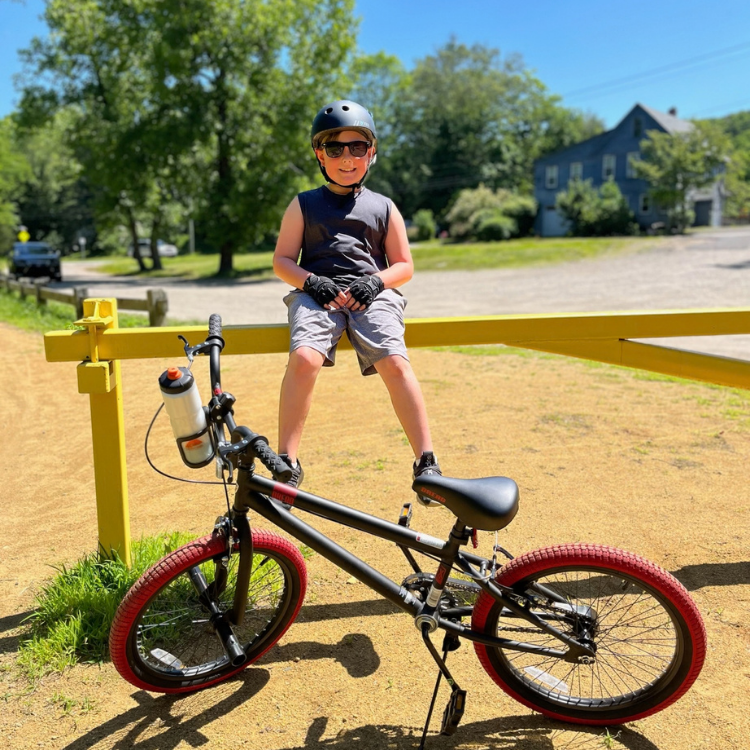
After missing an entire year of school, he’s back in class for fifth grade and earning good grades. Outside the classroom, he’s getting back to the business of being a kid. He loves fishing, seafood, and cheering on UConn football and Hartford Wolf Pack hockey. A classic car enthusiast, he dreams of becoming a mechanic someday.