Chrome
 Safari
 Firefox
Advancing the Future of Pediatric Care
Donor support powers the cutting-edge discoveries and innovations happening at Connecticut Children’s Research Institute (CCRI). By investing in pioneering pediatric research, donors help accelerate life-changing treatments, advance cures and create brighter, healthier futures for children and families.
We’re Shaping the Future of Children’s Health
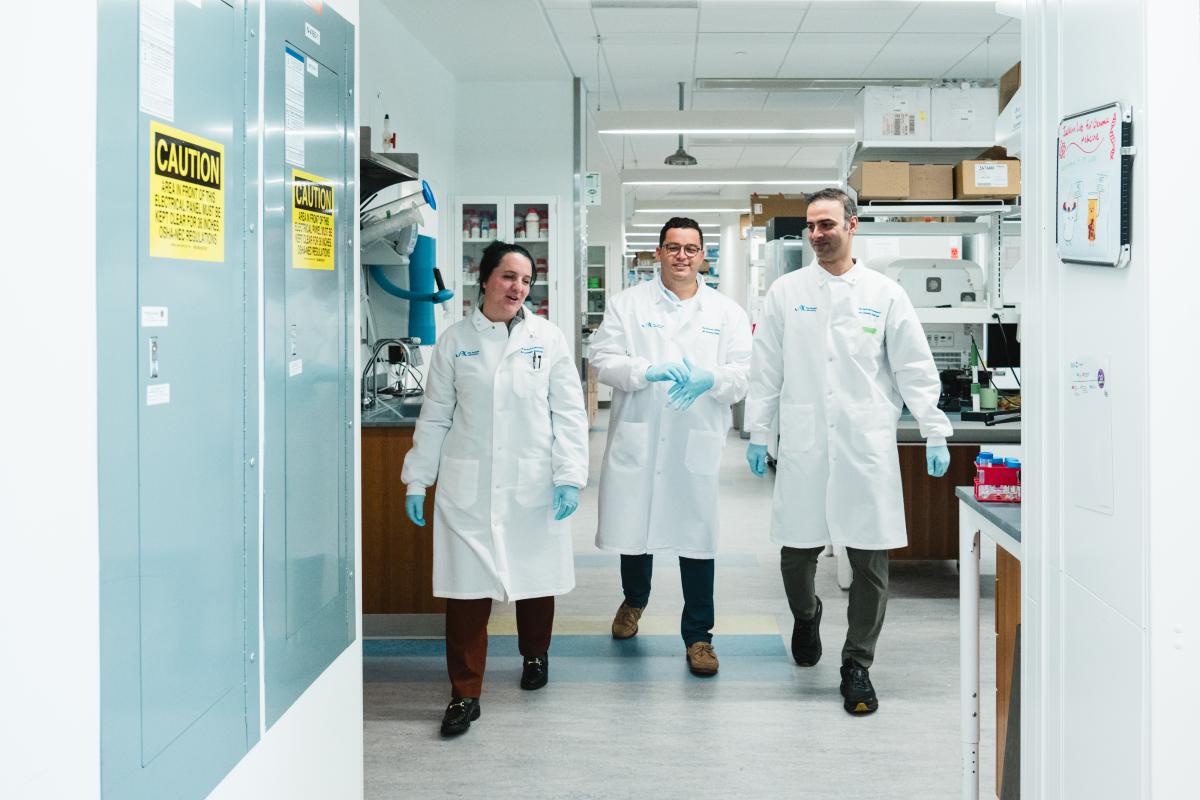
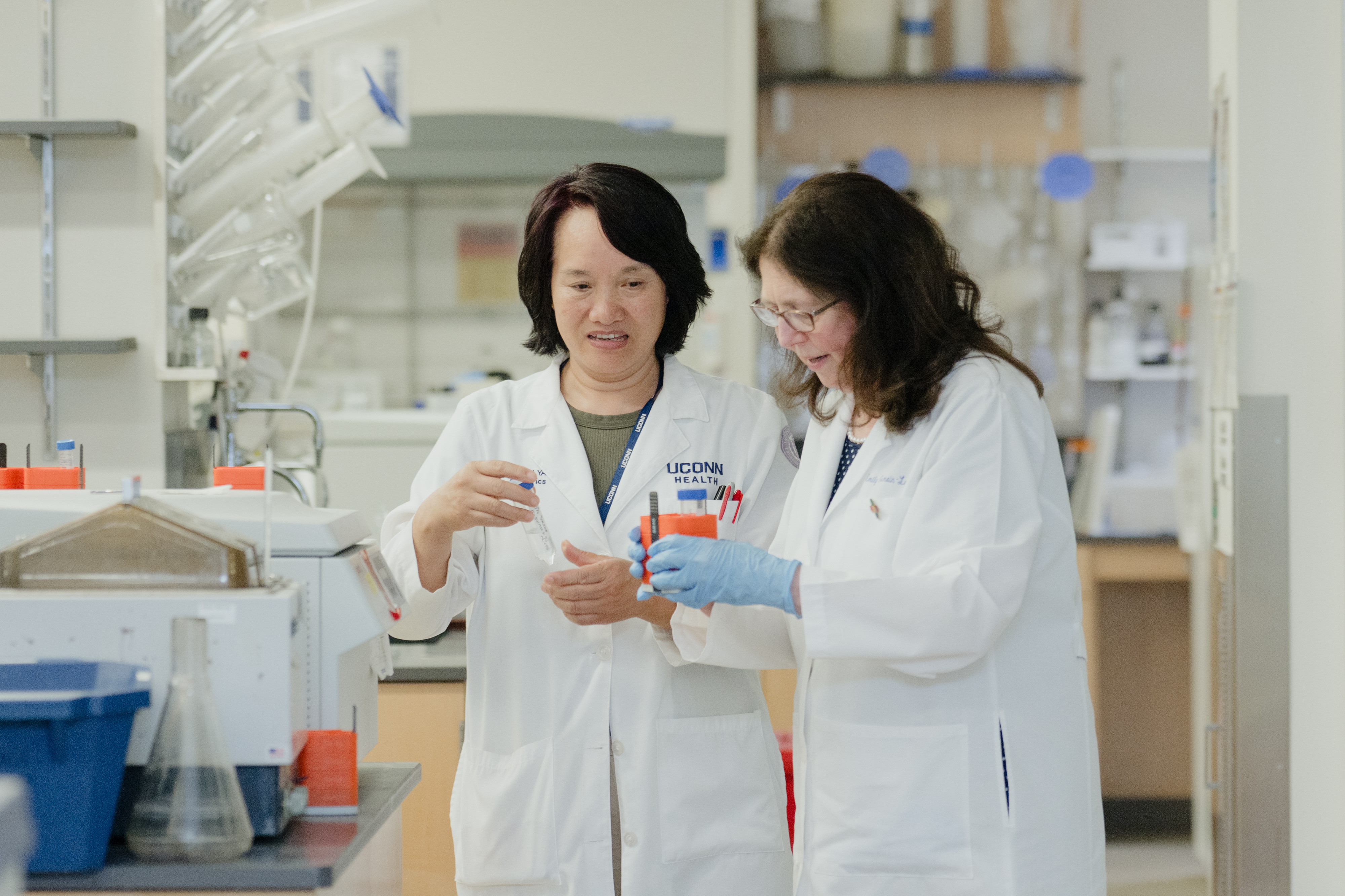
Our Research Institute combines our unique expertise across five Scientific Centers featuring physician scientists who collaborate with premier research partners in our region such as UConn Health and The Jackson Laboratory, as well as clinical investigators and other scholars from around the world.
Because every breakthrough brings new hope to children and families counting on a healthier tomorrow.
Printing Hope in the Lab
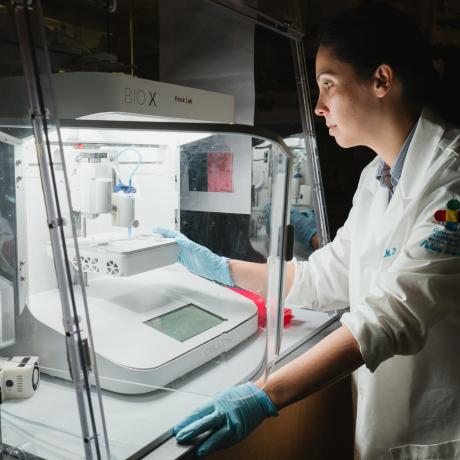
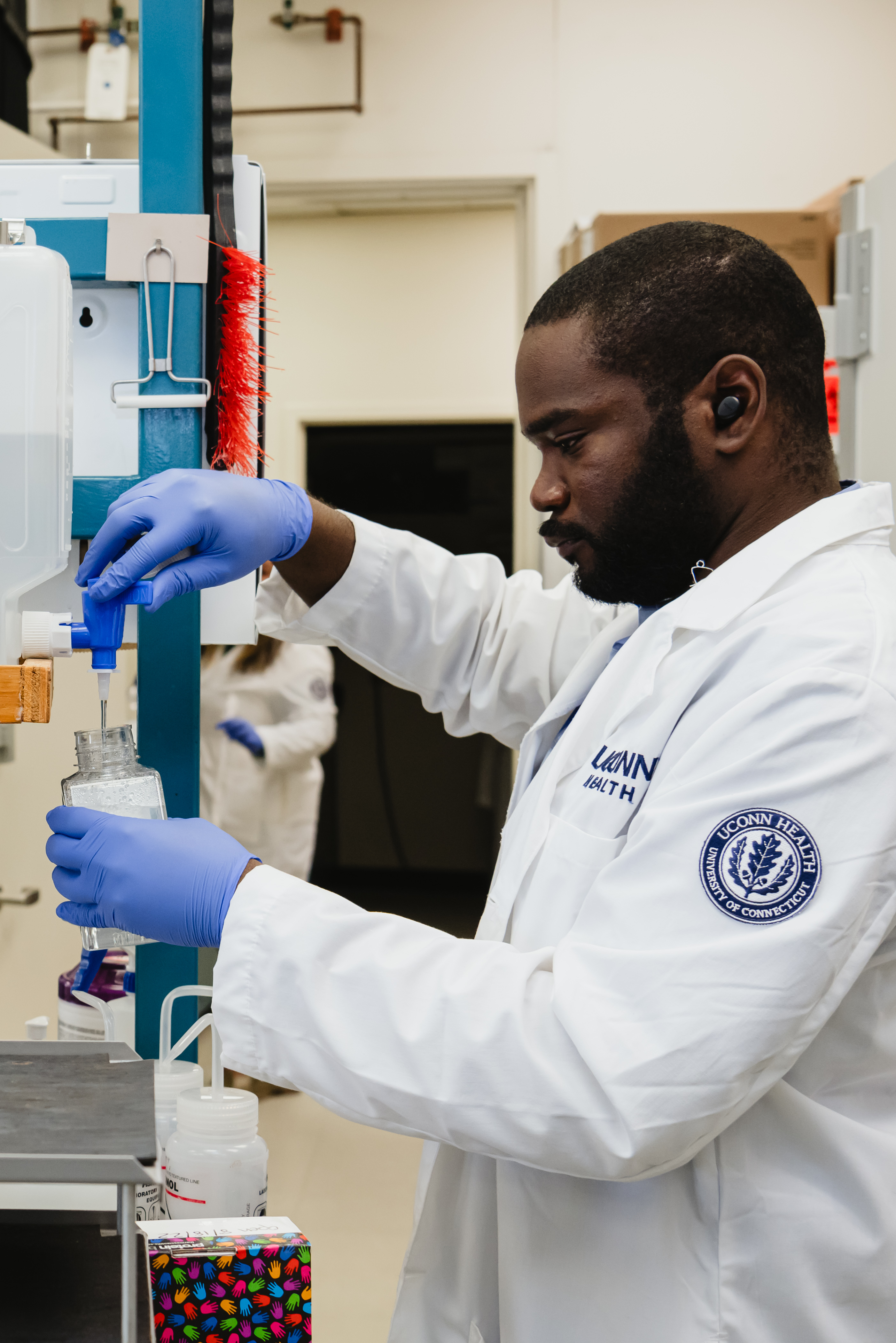
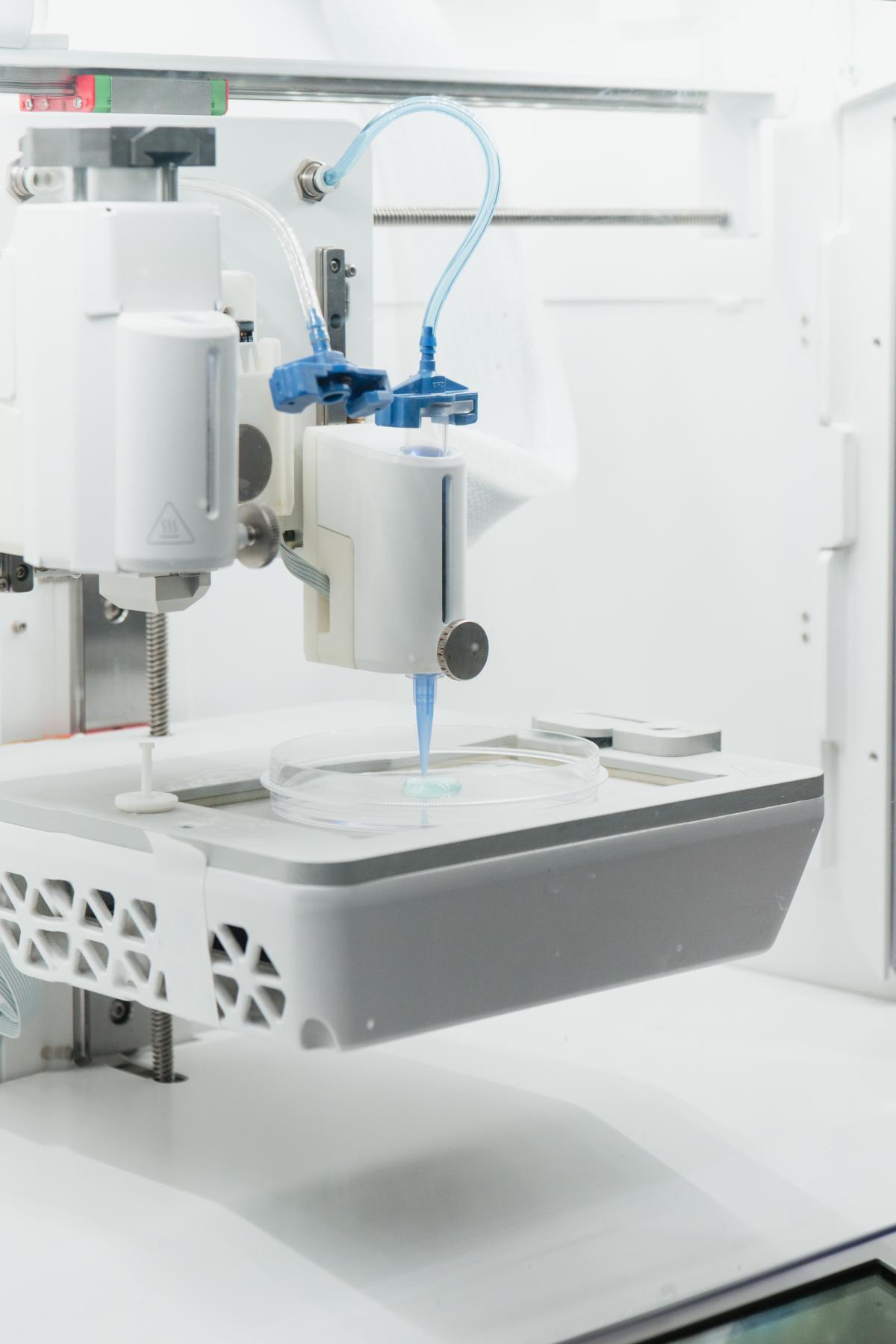
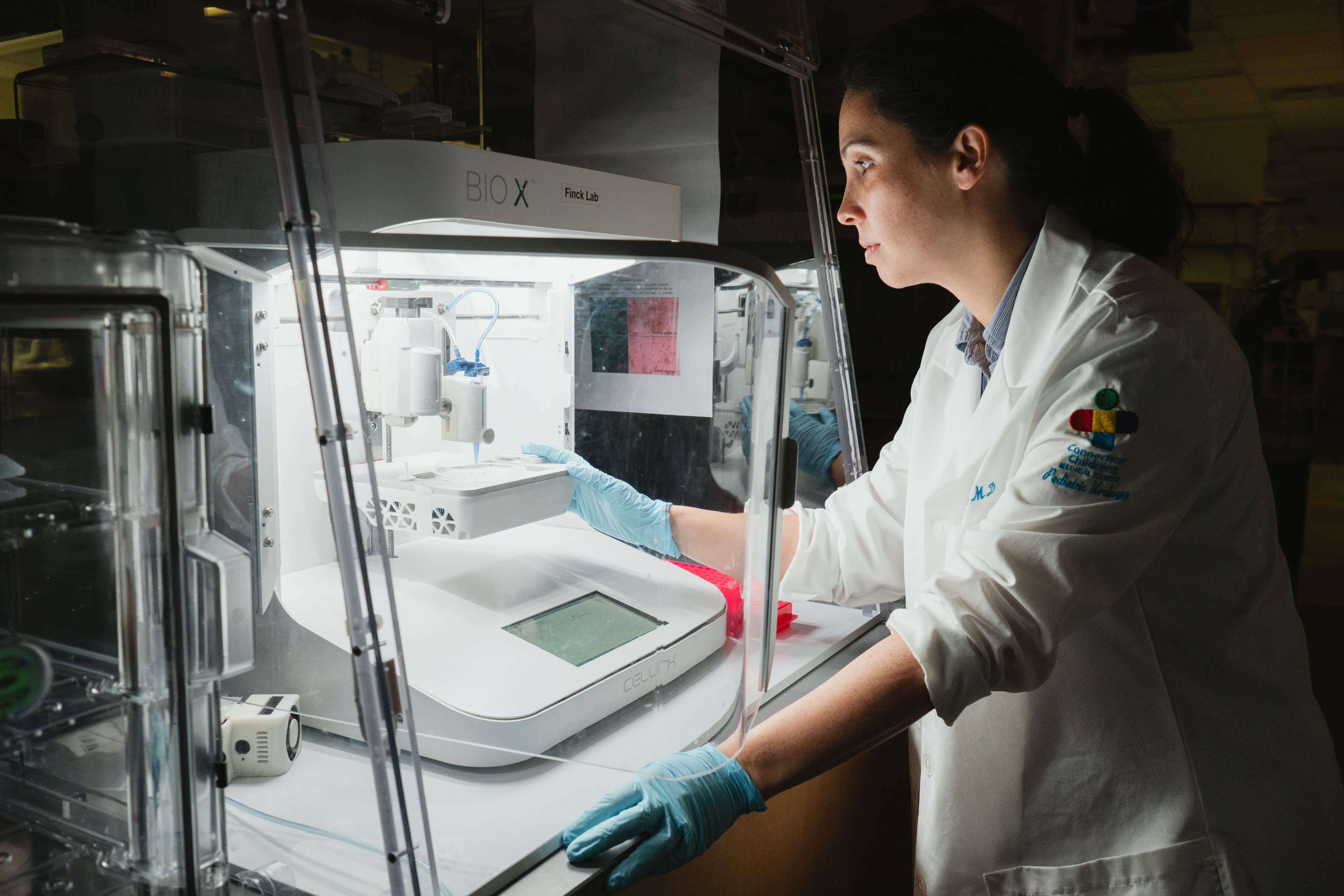
Connecticut Children’s Surgeon-in-Chief and UConn School of Medicine Vice Chair of Surgery Christine Finck, MD, leads a team of researchers who are working with 3D bioprinters—generously funded by donor Glen and Debra Greenberg and their family. These printers, however, don’t simply extrude layers of plastic strands to build an object. Rather, they are capable of constructing tissue-like structures using bioinks and stem cells. While current research studies remain in preclinical stages with animal models, the future implications for human patients could transform medicine.
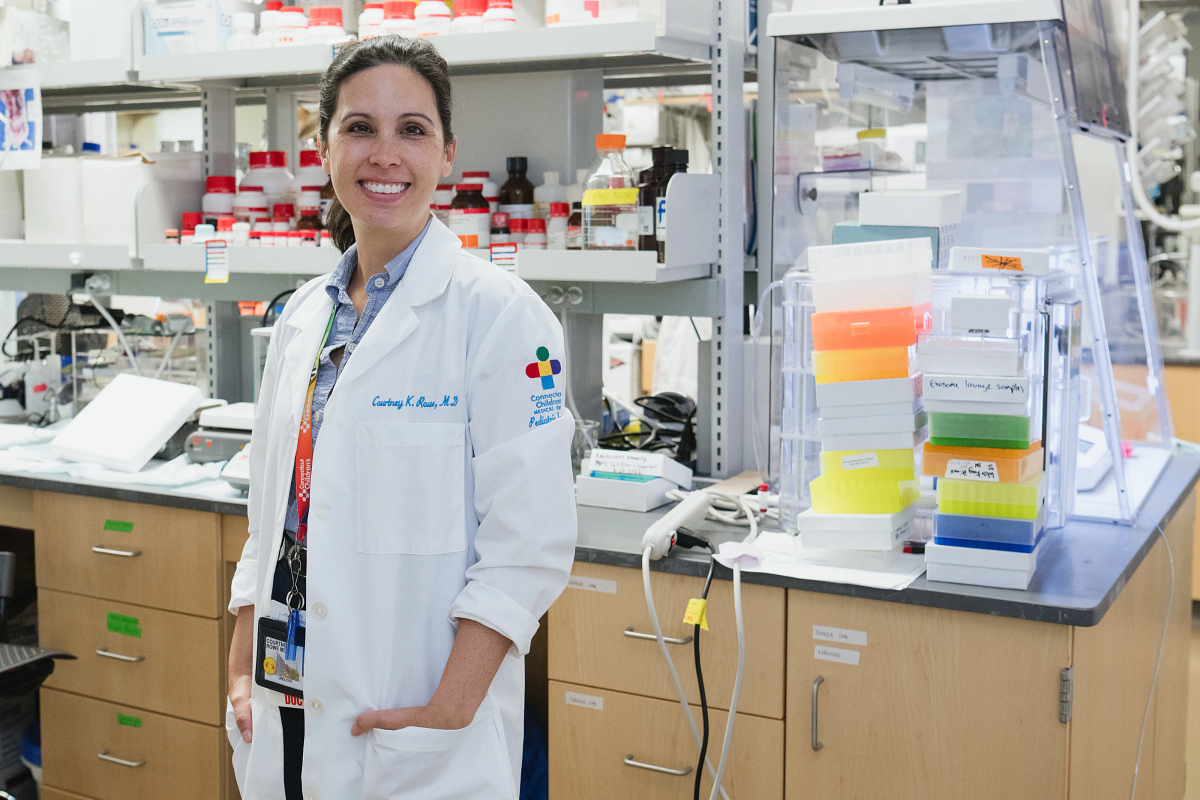
Courtney Rowe, MD
Dr. Courtney Rowe studies how children heal after reconstructive surgery, identifies gaps in surgical outcomes, and designs innovative solutions to improve recovery. From developing new techniques to prevent pain after surgery to exploring regenerative approaches that enhance healing, her work focuses on making surgery safer, recovery smoother, and long-term outcomes stronger.
“My passion is bringing new technologies and cutting-edge findings out of the laboratory and into the clinical world where they can improve the lives of the kids I see every day,” says Dr. Rowe.
Joanna Gell, MD
Dr. Joanna Gell's research focuses on understanding and treating germ cell tumors (GCTs)—a rare pediatric cancer that can occur in the gonads and other parts of the body, including the brain. Her laboratory uses advanced in-vitro stem cell models to uncover how alterations in germ cell development lead to malignancy and to identify novel diagnostic and therapeutic targets. She also investigates non-invasive biomarkers in cerebrospinal fluid that could improve early diagnosis and reduce the need for invasive procedures.
Research Stories
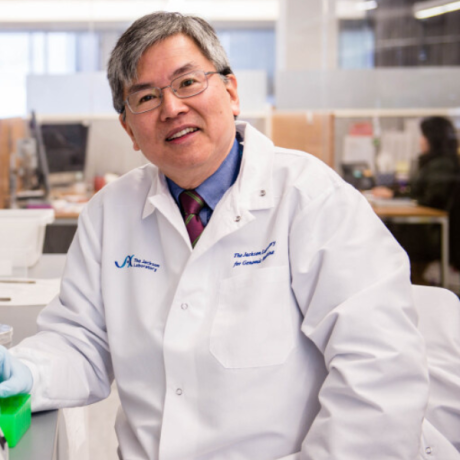
New Hope for Children with Brain Tumors: Connecticut Children’s Leads Groundbreaking Medulloblastoma Clinical Trial

Improving Care for Kids with Crohn’s Disease: The CAMEO Study