Chrome
 Safari
 Firefox
Share


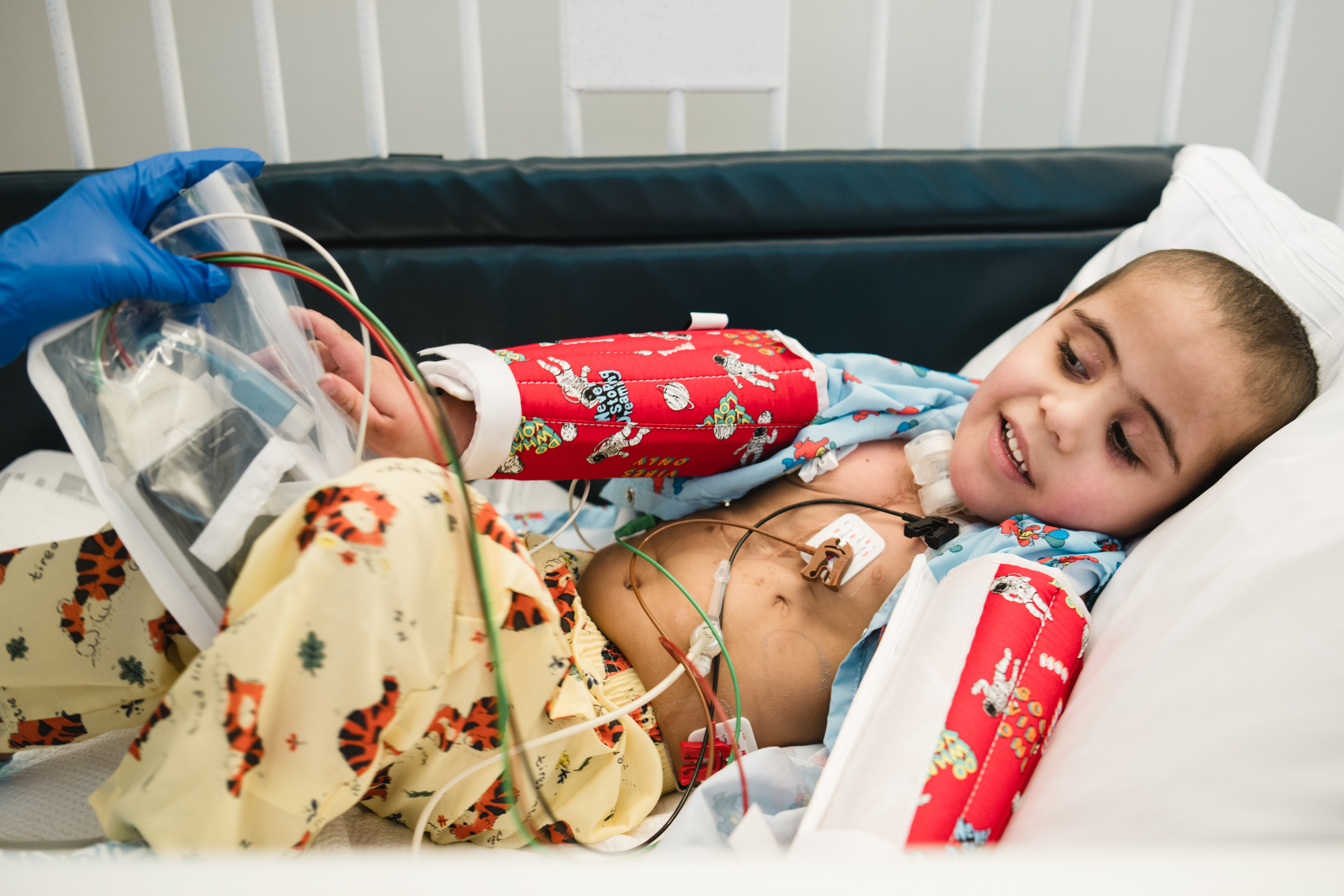
A small team on MS7, one of Connecticut Children’s medical-surgical units, is quietly transforming the way young patients with heart conditions are monitored and treated. Cardiac telemetry, a tool common in adult hospitals, is rare in pediatric care. But here, it’s become a critical part of ensuring that kids with congenital heart defects get the specialized attention they need.
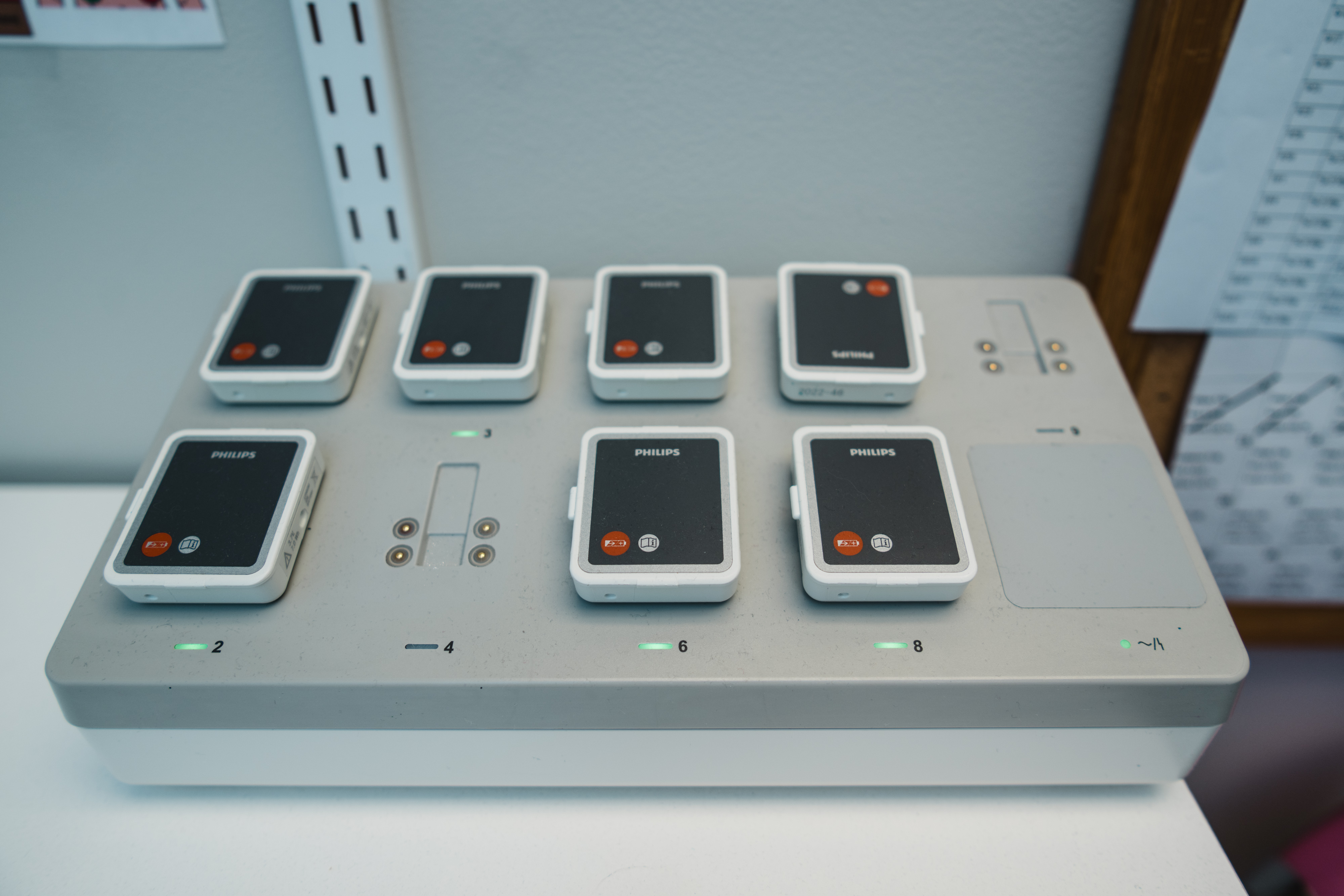
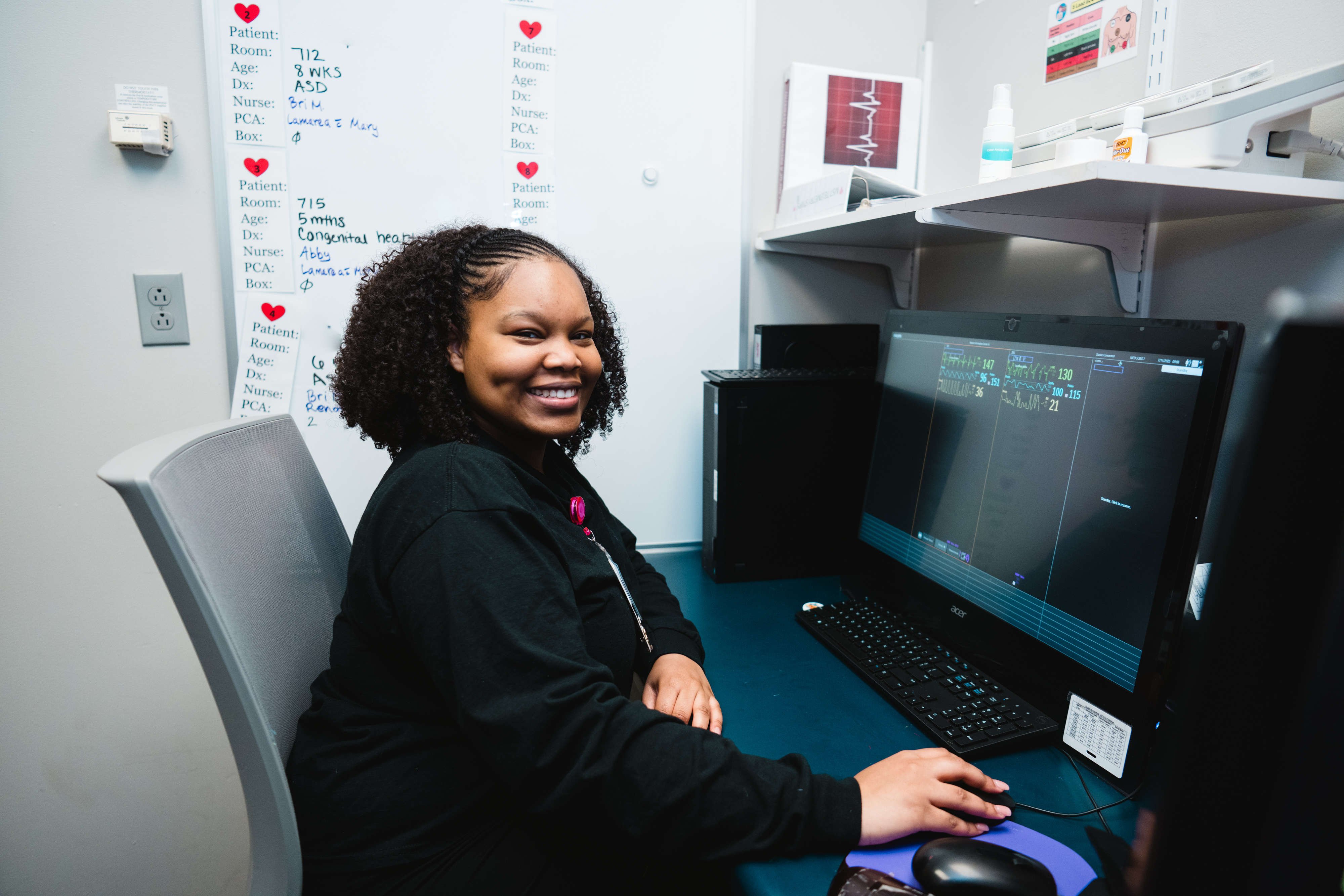
A cardiac telemetry system consists of adhesive sensors that attach to a patient’s chest, wireless transmitters, and a central monitoring station where trained technicians keep a constant eye on the data. It allows clinicians to track a child’s heart rate and rhythm in real time. If an abnormal rhythm or a dangerously fast or slow heartbeat is detected, the technician on duty can immediately alert a nurse.
“There are many children that are born with congenital heart defects and even the slightest changes in their heart rhythm can have a big impact on their overall health, their growth, and their care,” said Risa Squires, Clinical Education Specialist.
Latest Articles

A Legacy of Hope: Jordan Porco Foundation $1.1 Million Gift Advances Youth Suicide Prevention

Landmark Clinical Trial Advances Leukemia Treatment